
Hurricane season can affect inland communities as well as coastal areas. In Cooperstown, NY, tropical systems may arrive weakened, but they can still bring strong wind, driving rain, fallen limbs, power outages, and water intrusion. The Atlantic hurricane season officially runs from June 1 through November 30, with activity often highest from mid-August through mid-October. ([nhc.noaa.gov](https://www.nhc.noaa.gov/climo/?utm_source=openai))
Preparing a roof is less about making last-minute repairs during a storm and more about identifying weak points before severe weather is approaching.
What should homeowners inspect first?
Start with the roof areas most likely to admit water or lose materials: shingles, flashing, roof edges, vents, skylights, chimneys, and gutters. A ground-level inspection can reveal many warning signs without requiring anyone to climb onto the roof.
Look for:
- Missing, cracked, curled, or visibly loose shingles
- Shingle granules collecting in gutters or at downspout outlets
- Rusted, lifted, or separated flashing around chimneys, walls, vents, and roof valleys
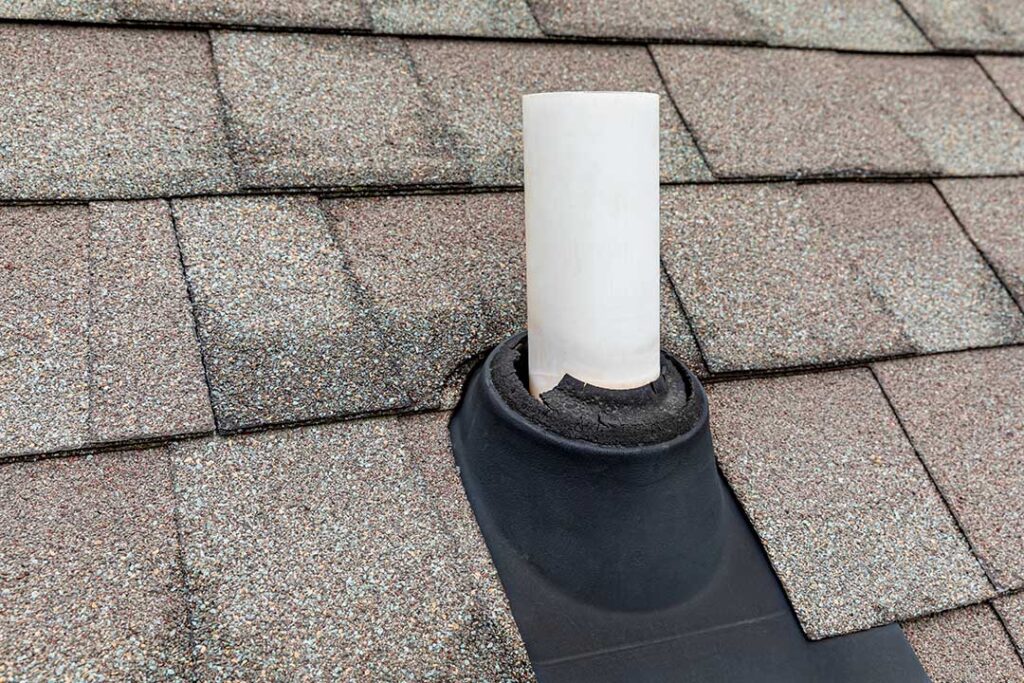
- Gaps or damaged seals around plumbing vents and skylights
- Sagging areas on the roof surface or along eaves
- Gutters pulling away from the fascia
- Downspouts that discharge too close to the foundation
- Tree limbs resting over or hanging directly above the roof
Older homes and houses with multiple roof additions deserve extra attention because transitions between roof sections can create vulnerable seams. Dormers, porches, attached garages, and low-slope sections may shed water differently from the main roof.
Why do small roof defects matter during a tropical storm?
A minor defect can become a larger opening when wind-driven rain pushes beneath roofing materials. Wind does not need to remove an entire roof to cause interior damage; a lifted shingle, exposed nail, failed seal, or loose flashing joint may allow water into the attic.
Water intrusion is especially difficult to detect when it begins in the attic. By the time a ceiling stain appears, insulation, roof decking, framing, or electrical components may already be wet. That is why visible roof damage should be addressed before a storm watch or warning is issued.
A roof that appears acceptable from the yard may still have problems beneath the surface. Discoloration on attic sheathing, damp insulation, daylight visible through roof joints, or musty odors can indicate past or ongoing leakage.
How can gutters and drainage reduce storm damage?
Gutters do not protect the roof from wind, but they help control the large volume of rain that can fall during a tropical system. Clogged or poorly secured gutters can overflow against fascia boards, siding, foundations, and lower roof edges.
Before the season:
- Remove leaves, twigs, and sediment from gutters.
- Confirm that downspouts are firmly connected.
- Extend downspout discharge away from the foundation.
- Check that water can flow through elbows and outlets.
- Replace sections that are visibly sagging or pulling loose.
- Make sure gutter guards, if present, are not packed with debris.
In wooded parts of the community, leaves and small branches can accumulate quickly during summer storms. Cleaning the drainage system more than once may be necessary if trees surround the house.
Should trees and nearby objects be part of roof preparation?
Yes. A healthy tree can still lose a branch during high winds, and dead or damaged limbs create a greater risk. Inspect trees near the house, garage, driveway, and utility lines for dead branches, hanging limbs, trunk damage, or noticeable leaning.
Do not attempt to cut large limbs near power lines or over steep roof areas. Those conditions can create serious fall and electrical hazards.
Also secure or store objects that could become airborne, including:
- Patio furniture
- Grills and lightweight outdoor equipment
- Planters and hanging baskets
- Ladders
- Trash and recycling containers
- Temporary decorations
- Loose building materials
A roof may withstand strong wind while nearby objects damage shingles, siding, windows, or vents.
What should be checked in the attic?
The attic provides useful information about the roof’s condition. Inspect it during daylight hours and after rainfall if it can be done safely.
Check for:

- Damp or discolored roof sheathing
- Water stains around vents, chimneys, valleys, and skylights
- Wet or compressed insulation
- Mold-like growth or persistent musty smells
- Rusted fasteners or metal components
- Daylight entering through unintended gaps
- Signs of rodents or birds near damaged roof areas
Adequate attic ventilation also matters. Blocked soffit vents, damaged ridge vents, or improperly functioning exhaust vents can contribute to moisture problems. Ventilation does not prevent hurricane damage, but it helps the roof assembly dry after wet weather and reduces long-term deterioration.
Never enter an attic during active lightning, high winds, or flooding. Avoid stepping on insulation or ceiling drywall, which may not support body weight.
Are roof repairs safe to complete right before a storm?
Only minor ground-level tasks should be considered once severe weather is approaching. Climbing onto a wet, steep, or damaged roof is unsafe, and temporary repairs can fail under wind and rain.
Before a storm warning, homeowners may be able to:
- Clear reachable debris from gutters using safe methods.
- Move outdoor objects into a secure location.
- Close attic windows and check exterior doors.
- Photograph existing roof conditions for insurance records.
- Place tarps, buckets, and plastic sheeting where they can be accessed after the storm.
Do not climb onto the roof to replace shingles, fasten loose metal, remove branches, or apply sealant when rain or strong wind is possible. Roof work should be completed well before hazardous weather, and damaged areas should be evaluated carefully if structural instability is suspected.
How should homeowners prepare for a roof leak?
A basic emergency plan can limit interior damage if water enters the house. Keep a flashlight, gloves, plastic sheeting, buckets, towels, and a battery-powered device for weather alerts in an accessible location.
If a leak develops:
1. Move furniture, electronics, and belongings away from the affected area.
2. Place containers beneath active drips.
3. If the ceiling is bulging, keep people away from the area because it may contain accumulated water.
4. Avoid electrical fixtures or outlets that are wet or near the leak.
5. Document damage with photographs when conditions are safe.
6. Do not climb onto the roof during or immediately after severe weather.
A tarp placed from the ground is not always an effective repair and may create additional hazards. Emergency roof covering should not substitute for a proper assessment once the storm has passed.
What changes for homes in the Cooperstown area?
Inland homes may face a combination of hazards rather than a single coastal threat. Tropical remnants can bring heavy rain and strong gusts, while saturated soil may make trees more likely to fall. Local houses may also have steep roofs, older framing, attached porches, chimneys, and roof sections added at different times.
Seasonal maintenance matters because hurricane preparation overlaps with other regional needs. A roof that is ready for summer wind and rain is also better positioned for autumn debris and the heavy snow, ice, and freeze-thaw cycles that follow.
The most useful preparation is completed during calm weather: inspect visible roof components, keep drainage paths clear, reduce nearby tree hazards, check the attic, and correct known defects before the forecast becomes urgent. NOAA similarly recommends preparing before the official season rather than waiting until hazardous weather is close. ([prod-01-alb-www-noaa.woc.noaa.gov](https://prod-01-alb-www-noaa.woc.noaa.gov/prepare-before-hurricane-season?utm_source=openai))
