
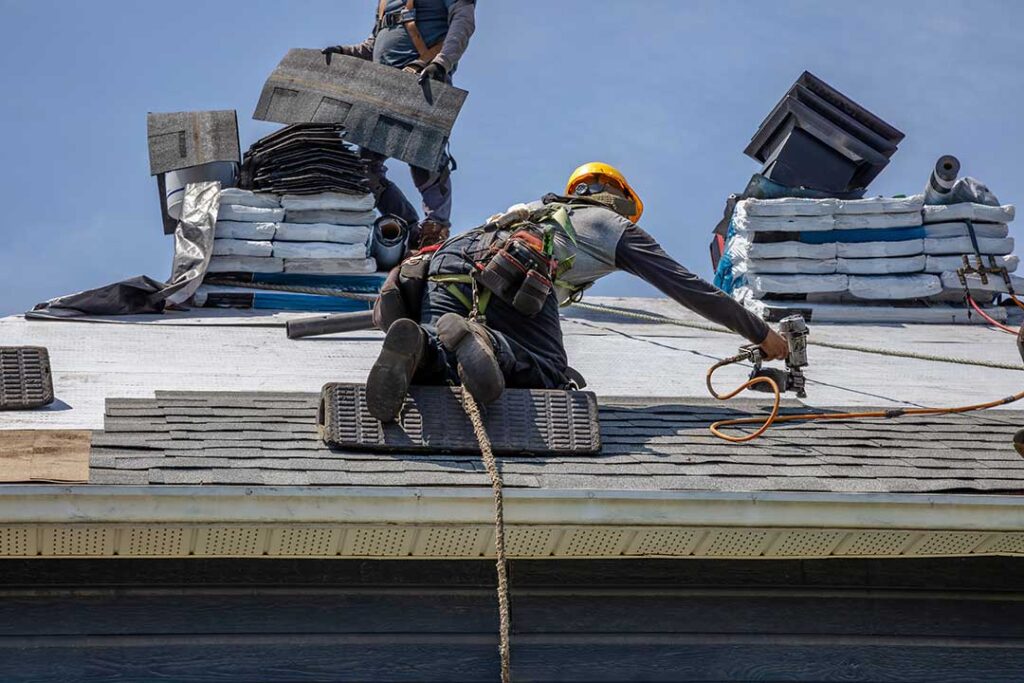
How Do You Know When a Roof Needs Replacement?
A roof is usually not top-of-mind until an issue arises, but waiting for a leak often means a problem has already become serious. In Cooperstown, NY, roofs face unique conditions due to cold, snowy winters and humid summers. Recognizing signs of aging or failure early helps area homeowners protect their property and prevent more costly interior damage.
A roof may need replacing if it shows multiple forms of wear—visible or hidden. Regular visual checks and awareness of material lifespan offer the best insurance against unexpected issues.
What Are the Most Common Signs Your Roof Is Worn Out?
Cracked, curling, or missing shingles are among the most visible indicators a roof is overdue for replacement. While individual shingle damage can sometimes be repaired, widespread problems point to systemic deterioration.
Look for these warning signs on your roof:
- Shingles with curled edges, cracks, or bald spots where granules have worn away
- Dark or patchy sections that don’t match the rest of the roof
- Noticeable sagging between rafters or across the plane of the roof
- Moss, algae, or lichen covering wide areas—common here after damp springs
- Granules washing out in gutters or on the ground after heavy rain
- Multiple leaks or recurrent water stains inside the home
Local weather, including freeze-thaw cycles and wind-blown ice, can accelerate shingle aging even before their general warranty or expected lifespan ends.
How Long Do Most Roofs Last in Cooperstown?
Most homes in Cooperstown use asphalt shingle or metal roofing. Asphalt shingles, the most common material, usually last 18–25 years in this climate, though heavy storms or ice dams can shorten that. Metal roofs may last 35–50 years or longer, provided there’s no rust or mechanical damage.
How long a roof lasts depends not just on its materials, but also on installation quality and ventilation. Attic ventilation is especially important in upstate New York’s range of temperatures—trapped moisture and ice damming can cause materials to fail well before their time. Homeowners should check the age of the last replacement (often on paperwork or mortgage documents) and keep a mental note as the years pass.
Are Leaks Always a Sign That It’s Time to Replace the Whole Roof?
Not every leak means a roof must be replaced immediately. Occasional minor leaks—especially around a vent, flashing, or chimney—can sometimes be addressed with targeted repairs. However, if water is penetrating in multiple or recurring locations, or if leaks reappear each season, it indicates a larger problem.
In Cooperstown, ice damming is a frequent cause of leaks in late winter and early spring. If ice is forcing water under the shingles, underlying wear may have already exposed vulnerable layers. When leaks are joined by visible shingle damage, interior stains, or attic mold, these together usually mean the roof system as a whole is failing.
Can Seasonal Weather in Cooperstown Affect Roof Longevity?
Absolutely—seasonal extremes play a major role. Prolonged snow loads and winter icing put local roofs under stress each year. Heavy rain and humid summers can speed up the growth of moss and algae, which gradually damage shingles if not removed.
Some issues unique to the area include:
- Ice dams that trap melted snow and force water under the roof edge
- High winds from nor’easters dislodging or lifting shingles
- Sudden thaws causing repeated expansion and contraction, which cracks older roofing
- Mold and rot from attic condensation due to temperature swings
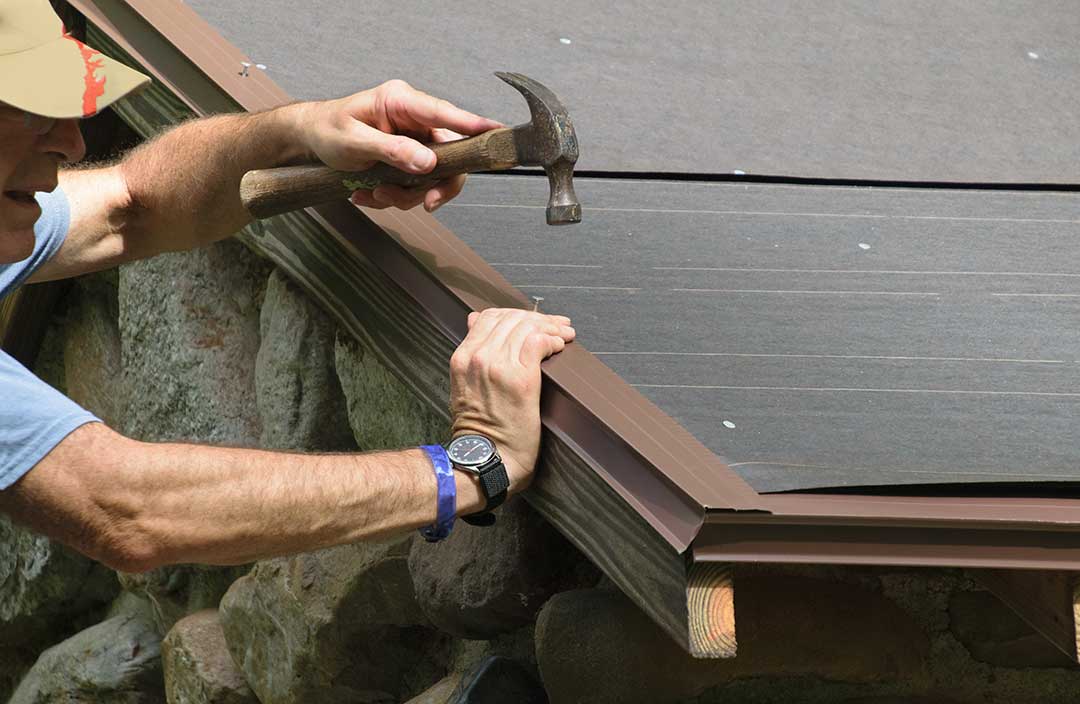
Homeowners often overlook the effect of attic conditions on roof health—trapped moisture in winter is just as problematic as exterior rain.
What Are the Risks of Waiting Too Long to Replace a Roof?
Delaying replacement can bring bigger problems. Water that finds its way beneath a worn-out roof can rot wood framing, ruin insulation, and create conditions for attic mold. In Cooperstown’s climate, undetected leaks may freeze and thaw repeatedly, further degrading roofing materials and spreading hidden damage.
Common consequences include:
- More expensive repairs to ceiling drywall, insulation, framing, or electrical components
- Higher heating and cooling bills due to lost efficiency from poor insulation or air leaks
- Complications with home insurance claims if a damaged roof is cited as neglected
- Decreased property value if signs of water damage are discovered during a sale
Proactively replacing a roof keeps costs manageable and avoids the disruption of emergency repairs, especially in winter when contractors have limited availability.
Are There Misconceptions About Roof Age or Appearance?
A roof may look intact from the ground but still be compromised. Some homeowners assume if a roof isn’t leaking or if only a few shingles are missing, it will last “a few more years.” However, unseen issues—like shingle adhesive failure or underlying rot—may be progressing, especially after harsh winters.
Another common myth is thinking that moss or algae is only cosmetic. In fact, these organisms trap moisture and accelerate wear, sometimes voiding material warranties.
Regular inspection—every spring and fall, or after major weather events—helps address problems before they lead to early replacement.
How Should Homeowners in Cooperstown Monitor Their Roof Condition?
It’s best to check the state of your roof twice a year and after major storms. Simple binocular checks from the ground or using a camera/phone zoom can reveal a lot. Signs like pooling water, blocked gutters, or visible nail pops shouldn’t be ignored.
Homeowners unable or uncomfortable accessing a roof directly should focus on visible warning signals and monitor for new attic stains or musty smells. For suspected hidden issues, such as widespread rot or sagging, consulting an expert is recommended for safety and insurance reasons.
Staying alert to subtle early warnings minimizes risk and helps area households enjoy peace of mind, no matter the season.
