
What Happens During a Professional Roof Inspection in Cooperstown, NY?
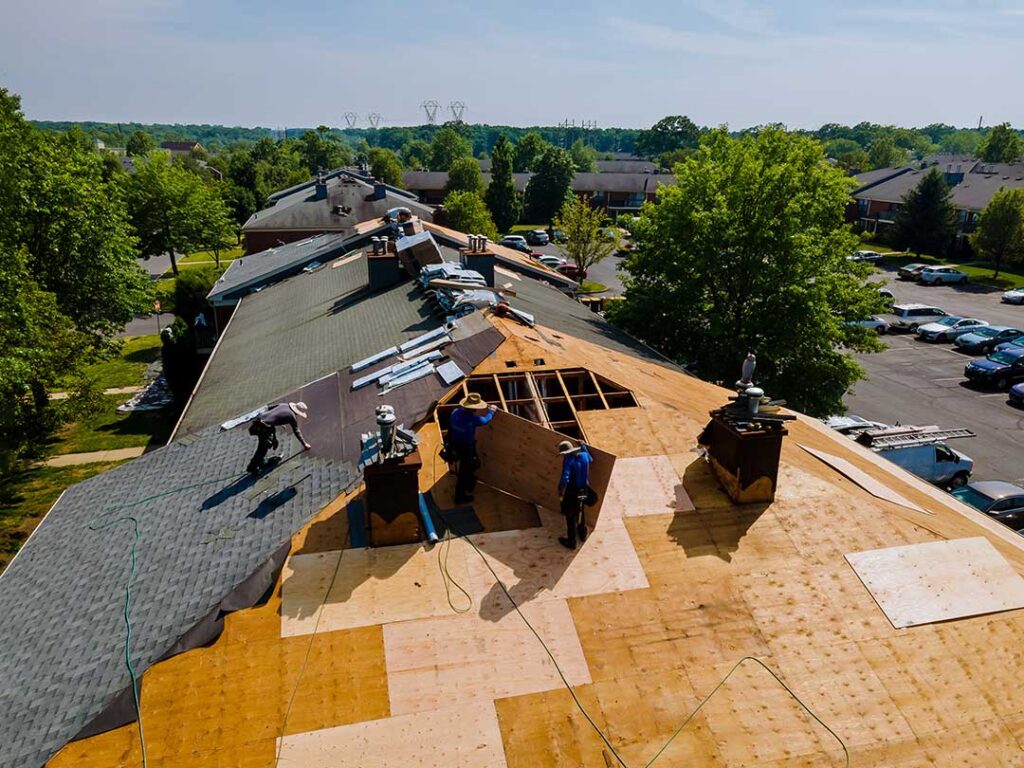
A professional roof inspection is a thorough process that assesses a roof’s overall condition and looks for issues common to homes in Cooperstown, NY. During an inspection, experienced evaluators examine both the outside and inside of the roof structure, reviewing all major components for signs of wear, weather damage, or safety concerns.
Inspections are often prompted by visible leaks, recent storms, preparing to sell a property, or for general upkeep. Because many houses in the city face a blend of snowy winters and humid summers, inspections frequently focus on challenges tied to seasonal shifts, including ice damming, gutter blockages, and shingle deterioration.
Which Parts of the Roof Are Checked?
Inspectors review the entire roof system. While the surface shingles are important, an inspection looks far beyond that to give a complete health check.
Main areas typically assessed include:
- Shingles or roofing material—checking for cracks, curling, missing pieces, or damage from wind, hail, ice, or tree branches
- Flashing around chimneys, skylights, vents—looking for secure installation or signs of rust, lifting, or separation
- Gutters and downspouts—confirming proper drainage and identifying blockages, sagging, or loose attachments
- Roof valleys and ridges—looking for debris, water pooling, or unusual material wear
- Eaves and soffits—checking for wood rot, water stains, or animal nests
- Attic or upper crawlspace—examining for leaks, moisture, mold, and verifying ventilation
In older Cooperstown homes, special attention is often paid to unique architectural features or layers of materials added during historic renovations.
How Long Does a Roof Inspection Usually Take?
A typical roof inspection for a single-family home in Cooperstown lasts anywhere from 30 minutes to 2 hours. Weather, roof complexity, and property size all influence the length. If there are multiple roof sections or hard-to-access spots—like steep pitches or dormers—the process may take longer.
For city residents living in homes with multiple stories or additions, the inspector may need added time for ladder safety and to access different angles.
What Tools and Methods Are Used?
Inspectors use a combination of visual assessment, manual checks, and sometimes technology to evaluate a roof. While most of the work is done with trained eyes and hands, certain issues may be spotted only through close-up inspection or when moisture meters, drones, or infrared cameras are used.
Common methods include:
- Physically walking on the roof if safe to do so
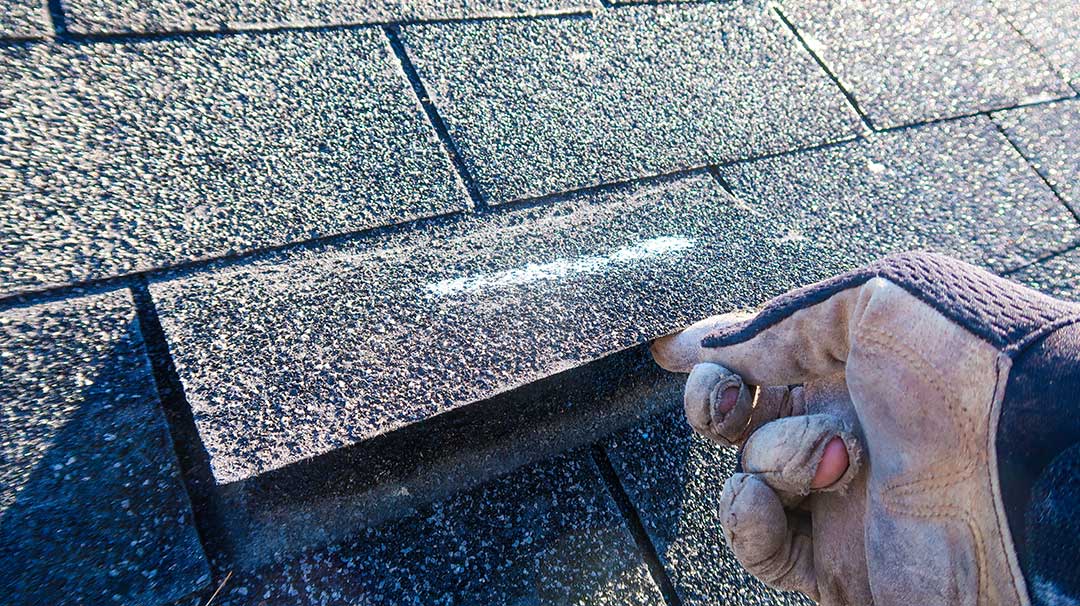
- Examining shingles by hand to check for looseness
- Looking underneath the eaves for subtle staining or rot
- Using binoculars to inspect hard-to-reach sections from the ground
- Taking photographs for documentation or comparison
- Employing moisture meters inside attics if there are suspected leaks
- Occasionally using drones for very steep, high, or fragile roofs
In the Cooperstown area, roof moss and algae are sometimes documented through photos, especially on shaded or tree-covered homes.
What Are Inspectors Most Concerned About in Cooperstown?
Local weather is a key consideration. Heavy snow loads in winter can cause ice damming along roof edges or allow water to back up under shingles. Spring thaw and wet summers can introduce leaks, especially in older or poorly ventilated attics.
Typical local issues flagged on inspections include:
- Ice dam evidence—scarring, broken shingles, damaged gutters
- Water stains or wood rot beneath eaves and attic
- Blocked or overwhelmed gutters after leaf fall
- Algae or moss buildup (common on north-facing slopes)
- Missing or loose flashing, especially after winter freeze-thaw cycles
- Hail or wind damage following severe summer storms
Inspectors may also check for animal damage, as squirrels, raccoons, and birds often seek shelter in local attics during colder months.
What Information Will Homeowners Receive Afterwards?
Afterwards, the homeowner is typically given a detailed written or digital report outlining the inspection’s findings. This document is a practical tool: it identifies current issues, potential future risks, and points out areas for routine care. It’s common to see photo documentation of any damage or problem spots.
A good report will distinguish between urgent structural or safety issues and minor maintenance needs. Residents can use this unbiased summary for planning repairs, budgeting long term, or verifying condition for insurance or property transactions.
Are There Risks to Skipping Regular Roof Inspections?
Skipping regular roof checks can allow small problems to worsen over time. In Cooperstown’s climate, a simple missing shingle or tiny flashing gap can lead to winter leaks that damage interior ceilings, insulation, or plaster—issues that are costly and disruptive to fix once advanced.
Common misconceptions include believing that newer roofs never need checking, or that lack of interior leaks means there are no exterior problems. Many leaks are hidden or may not become evident until significant damage has occurred, particularly in older homes or homes with historic construction.
How Often Should Area Residents Have a Roof Inspected?
For most households in the city, an inspection every 2-3 years is typical unless an issue occurs or a severe storm passes through. It’s wise to arrange an inspection:
- After heavy wind, hail, or snow events
- Prior to buying or selling a home
- If unexplained interior water stains, musty odors, or visible roof debris are noticed
Roofs on historic homes, homes under many trees, or those with complex shapes may benefit from slightly more frequent checks due to increased risks for blockages and moisture issues in the local environment.
What Should Residents Do to Prepare for a Roof Inspection?
Preparing for an inspection is simple. Homeowners should clear driveways or walkways for ladder access, unlock attic or crawlspace entry points, and secure pets indoors. Removing cars, patio furniture, or garden tools from areas near the house helps ensure the inspector can safely set up equipment and move around as needed.
No special cleaning is required, but being available to answer questions about previous leaks, repairs, or storm experiences may help the inspector understand any site-specific concerns.
